Vast Illegal Online Casino Network Targets UK Gamblers Who Self-Exclude Through GamStop
Vast Illegal Online Casino Network Targets UK Gamblers Who Self-Exclude Through GamStop
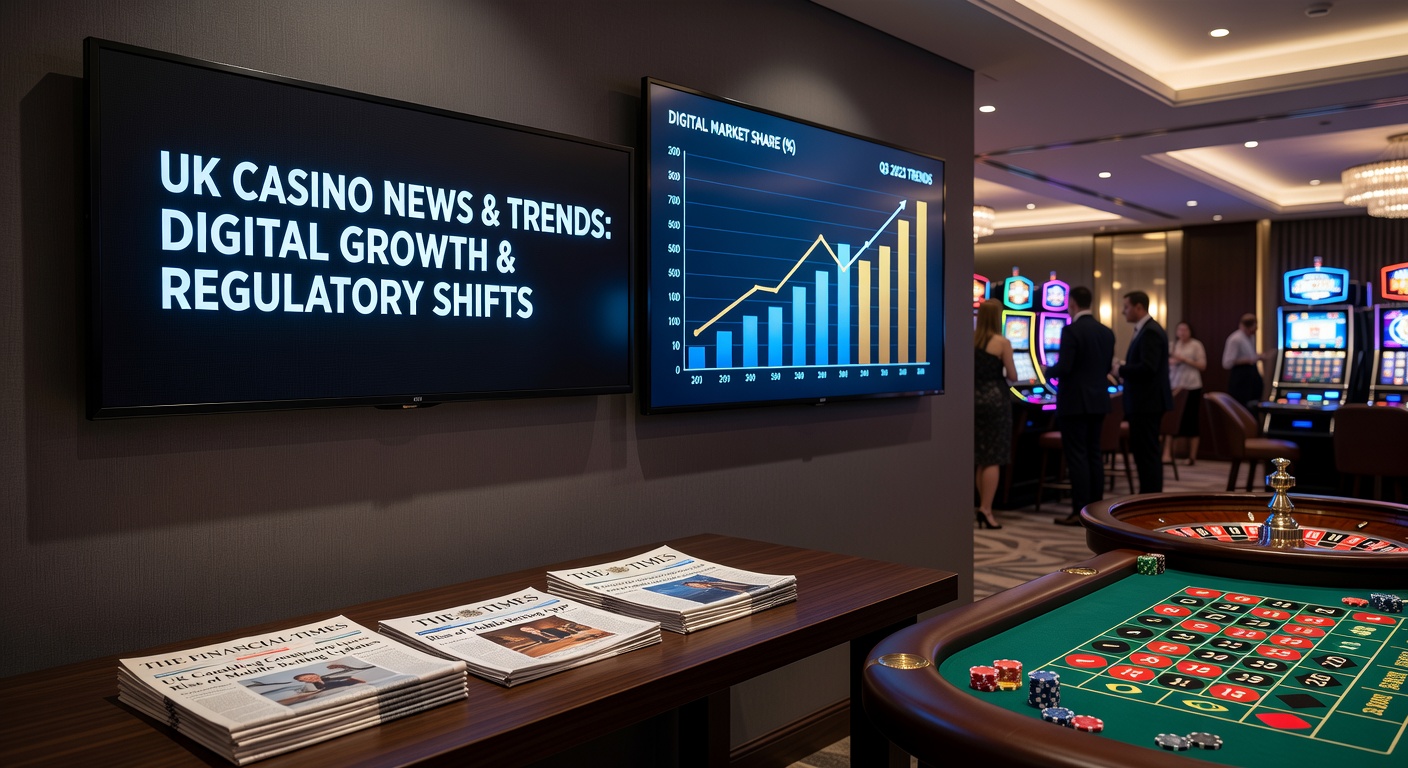
Unlicensed Sites Bypass UK Safeguards
A sprawling network of online casinos, including prominent names like MyStake, Velobet, and Goldenbet, operates without licences from the UK Gambling Commission, zeroing in on vulnerable players who've chosen to self-exclude via GamStop; these sites lure in individuals seeking to avoid gambling temptations, offering easy access despite the protective barriers set up by the national self-exclusion scheme.
Figures reveal that these platforms draw around 2.3 million monthly visitors from the UK alone, a staggering number for operations that sidestep all legal requirements imposed on licensed operators, and experts note how affiliate sites play a key role in driving this traffic through aggressive promotions tailored to bypass GamStop's restrictions.
What's interesting is the way these casinos position themselves just beyond reach of UK regulators, hosting servers in jurisdictions like Curaçao while marketing directly to British players with promises of unrestricted play; observers point out that self-excluded gamblers, often those most at risk, find themselves drawn back in because GamStop doesn't cover unlicensed foreign sites.
International Ties Fuel the Operation
At the heart of this network sits Santeda International, a Curaçao-based entity that investigators link to the day-to-day running of multiple casino brands, and connections extend to Georgian businessmen who once partnered through Upgaming AG, though that Swiss firm recently severed ties amid mounting scrutiny in early 2026.
Researchers tracing the financial flows describe a complex web where funds from UK players funnel through opaque payment processors, evading the oversight that licensed sites must endure, and data indicates these operators prioritize volume over compliance, flooding the market with bonus offers designed to hook players quickly.
Take one case where affiliates, often operating from unregulated corners of the web, embed links on forums and social channels popular with UK gamblers; these promotions highlight "GamStop-free" access, turning a safeguard into an unintended gateway for high-risk play.
Real-World Harm Emerges from the Shadows
The fallout hits hard, with reports detailing widespread fraud where players face withheld winnings, manipulated games, or sudden account closures, and financial ruin follows as debts pile up unchecked by any regulatory intervention.
Tragedy struck in January 2026 when a UK gambler took his own life, a direct consequence tied to losses racked up on one of these unlicensed platforms, prompting families and advocates to sound alarms about the human cost lurking behind the digital reels and tables.
But here's the thing: while licensed casinos enforce strict age verification, deposit limits, and self-exclusion syncing, these rogue sites ignore such measures, allowing problem gamblers to spiral without intervention; studies from gambling harm groups show how self-excluders represent a particularly vulnerable group, often chasing losses across borders.
Affiliate Machine Powers Relentless Promotion
Affiliate networks form the promotional backbone, with sites earning commissions for every referred player who deposits, and this model thrives because it exploits gaps in enforcement, flooding UK-facing traffic sources with ads that skirt advertising rules.
Data from traffic analytics tools confirms the 2.3 million monthly UK visitors, many arriving via SEO-optimized content promising "no verification" or "instant withdrawals," phrases that resonate with those frustrated by GamStop's year-long (or longer) exclusions.
Turns out, these affiliates often disguise themselves as review sites or tipster blogs, blending seamlessly into the online gambling ecosystem while steering clear of licensed operator affiliations; people who've tracked this space observe how the sheer volume overwhelms individual complaints to authorities.
MPs Push for Tighter Controls in April 2026
Members of Parliament raised their voices in April 2026, calling for bolstered regulations to close the loopholes that let unlicensed casinos thrive, and they highlighted the need for expanded self-exclusion tools that reach beyond UK borders, perhaps through international cooperation or payment blocks.
Experts who've studied similar offshore incursions suggest measures like mandatory GamStop integration for all sites accepting UK players, or stricter penalties for affiliates, could stem the tide; the Gambling Commission, already stretched, faces pressure to collaborate with tech firms for better site blocking.
Now, as the story breaks wide open thanks to investigative journalism, regulators monitor Upgaming AG's exit closely, wondering if it signals cracks in the network or just a rebrand; observers note that without swift action, the 2.3 million visitors could swell further, amplifying the risks.
One study from harm prevention advocates reveals that unlicensed sites account for a disproportionate share of gambling-related bankruptcies in the UK, underscoring why MPs frame this as an urgent public health issue rather than mere regulatory housekeeping.
Player Vulnerabilities and the GamStop Gap
GamStop, launched to empower self-exclusion across licensed UK operators, works seamlessly within the regulated space but leaves a glaring void for offshore players, and those who've self-excluded often turn to these sites out of desperation or unawareness of the dangers.
Financial harm manifests in overdrawn accounts, maxed-out credit cards, and loan sharks circling those unable to stop, while fraud cases involve rigged odds or bonus terms buried in fine print that licensed sites can't touch.
It's noteworthy that brands like MyStake boast flashy interfaces mimicking top UK apps, complete with live dealers and slots, yet without the random number generator audits that ensure fairness; players discover too late that payouts vanish into processing delays or outright denials.
Broader Implications for UK Gambling Landscape
This network's exposure in April 2026 spotlights a persistent challenge in the digital age, where borders mean little to servers humming in Curaçao but everything to players back home expecting protection.
Santeda's role draws particular attention, with its portfolio of white-label casinos enabling rapid scaling, and the Georgian links via Upgaming hint at Eastern European hubs fueling Europe's shadow gambling economy.
So, while the suicide in January serves as a stark reminder, aggregated data paints an even grimmer picture: thousands potentially ensnared monthly, their losses propping up an industry that pays no taxes to the UK exchequer.
Affiliates, thriving on pay-per-player models, adapt quickly to blacklists, migrating domains overnight; that's where the rubber meets the road for regulators racing to keep pace.
Conclusion
The unraveling of this illegal casino network underscores the fragility of self-exclusion tools like GamStop against unlicensed incursions, with 2.3 million UK visitors monthly fueling fraud, debt, and heartbreak—including a tragic suicide in January 2026.
Links to Santeda International and former Upgaming partners reveal an international machine preying on vulnerabilities, promoted relentlessly via affiliates, and as MPs demand action in April 2026, the path forward hinges on bridging regulatory gaps through tech blocks, global pacts, and tougher affiliate oversight.
Ultimately, the story serves as a wake-up call, reminding stakeholders that safeguarding players demands vigilance beyond borders, lest the shadows of offshore casinos continue to eclipse UK protections; experts anticipate heightened enforcement, but only time will tell if it curbs the tide.