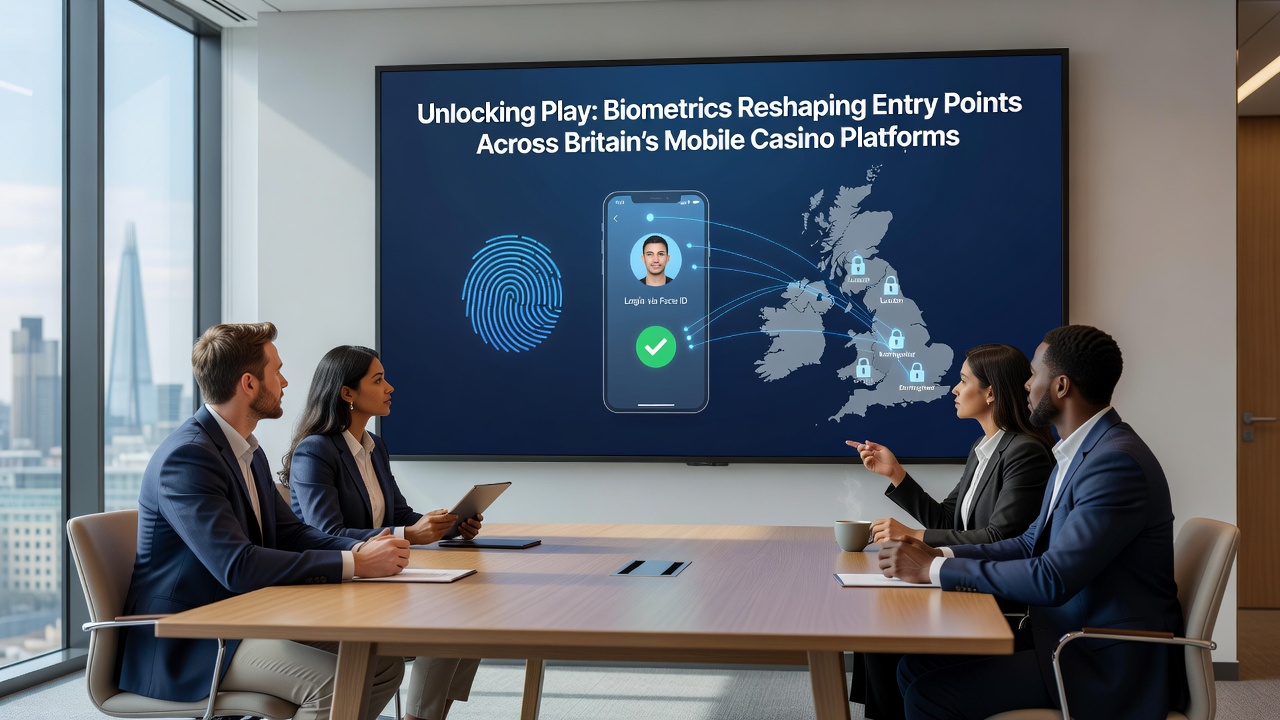
Unlocking Play: Biometrics Reshaping Entry Points Across Britain's Mobile Casino Platforms

Britain's mobile casino platforms have integrated biometric authentication systems at accelerating rates since 2023, with fingerprint scanning and facial recognition replacing traditional password entry across dozens of leading apps. These technologies verify user identity through unique physical traits, allowing seamless access while meeting security protocols demanded by operators and device manufacturers alike.
Biometric Adoption Patterns in British Mobile Gambling
Operators have rolled out fingerprint and facial recognition features on both iOS and Android platforms, where users complete initial registration through standard identity checks before enabling biometric login for subsequent sessions. Data from industry reports indicate that platforms adopting these methods saw login completion times drop by an average of 70 percent compared to PIN-based systems, according to research published by the International Gaming Institute at the University of Nevada. The shift aligns with broader smartphone capabilities, as over 85 percent of devices in the UK now support at least one form of biometric sensor.
Take one major operator that introduced facial recognition in early 2024, where players simply look at their screen to unlock accounts, and session data showed immediate increases in daily active users alongside reduced support tickets related to forgotten credentials. While password resets still occur for those opting out, the majority of accounts transitioned within the first month of rollout.
Security Enhancements Through Physical Trait Verification
Biometric entry points add layers beyond conventional methods because they tie access directly to the device owner rather than stored data that can be compromised. Multi-factor setups often combine biometrics with device binding, meaning attempts from new hardware trigger additional verification steps even if the biometric scan matches. Observers note that this approach reduces account takeover incidents, with some platforms reporting declines of up to 40 percent in unauthorized access attempts after implementation.
Technical Standards and Integration Methods
Developers rely on secure enclave technology built into modern processors, where biometric data never leaves the device during matching processes. This architecture prevents transmission of raw fingerprints or facial maps to servers, satisfying privacy expectations while complying with data protection requirements. And yet, some systems incorporate liveness detection algorithms that distinguish real faces from photos or masks, adding another safeguard against spoofing.
Voice recognition appears in limited testing phases on select platforms, though adoption remains lower because background noise in typical environments can interfere with accuracy. Those who've studied device usage patterns find that fingerprint sensors still lead in reliability during travel or outdoor play, whereas facial recognition performs better indoors with consistent lighting.
Regulatory Context and Timeline Developments
Across Europe, similar authentication standards have emerged through directives focused on consumer protection and responsible access controls. Britain's frameworks continue to evolve in parallel, with updates expected to clarify biometric data handling by mid-2026. In June 2026, industry groups plan to release updated compliance guidelines that address cross-border data flows for operators serving multiple markets, drawing input from Canadian provincial regulators and Australian state authorities on best practices already in place.
Research indicates these changes will emphasize transparency in how platforms store and process biometric templates, requiring clear user consent flows during onboarding. Platforms that pre-emptively adopted higher standards have positioned themselves ahead of formal requirements, demonstrating that voluntary upgrades can streamline future audits.
Player Experience and Accessibility Considerations
Users report smoother transitions between devices when cloud-synced biometric profiles allow quick re-enrollment, though full portability still depends on operating system compatibility. Accessibility features include fallback options for those with conditions affecting fingerprint ridges or facial recognition reliability, ensuring no player faces exclusion based on technology alone. Experts have observed that older demographics initially hesitated but adopted the methods rapidly once they experienced the reduced friction compared to typing complex passwords on small screens.
One study revealed that players using biometric logins completed deposits and game launches in fewer steps overall, contributing to higher session retention without altering game mechanics themselves. The reality is that these entry point changes focus purely on access rather than altering core gameplay or payout structures.
Future Trajectory Across Mobile Platforms
Emerging developments point toward multimodal biometrics, where platforms combine fingerprint and facial checks for higher-security accounts or larger transactions. Integration with wearable devices may extend verification options further, allowing wrist-based sensors to confirm identity during extended play sessions. Data shows continued investment in these areas as device manufacturers refine sensor accuracy and reduce false rejection rates that previously frustrated users.
Those monitoring international markets note that Britain's mobile casino sector mirrors trends seen in other regulated regions, where biometric adoption correlates with overall digital payment growth. The writing's on the wall for traditional login methods to become secondary options rather than defaults in the coming years.
Conclusion
Biometric systems have already transformed how players enter Britain's mobile casino platforms by prioritizing speed and device-level security over memorized credentials. Continued refinement through 2026 and beyond will likely standardize these approaches further, supported by cross-jurisdictional insights and technical advances that keep verification both reliable and user-friendly. Platforms maintaining focus on inclusive design alongside these innovations stand to sustain engagement across diverse user groups.