Lights, Action, Jackpots: Unveiling the Pulse of UK's Casino Evolution
UK Gambling Commission Updates Notification Rules for Casinos Handling Money Services
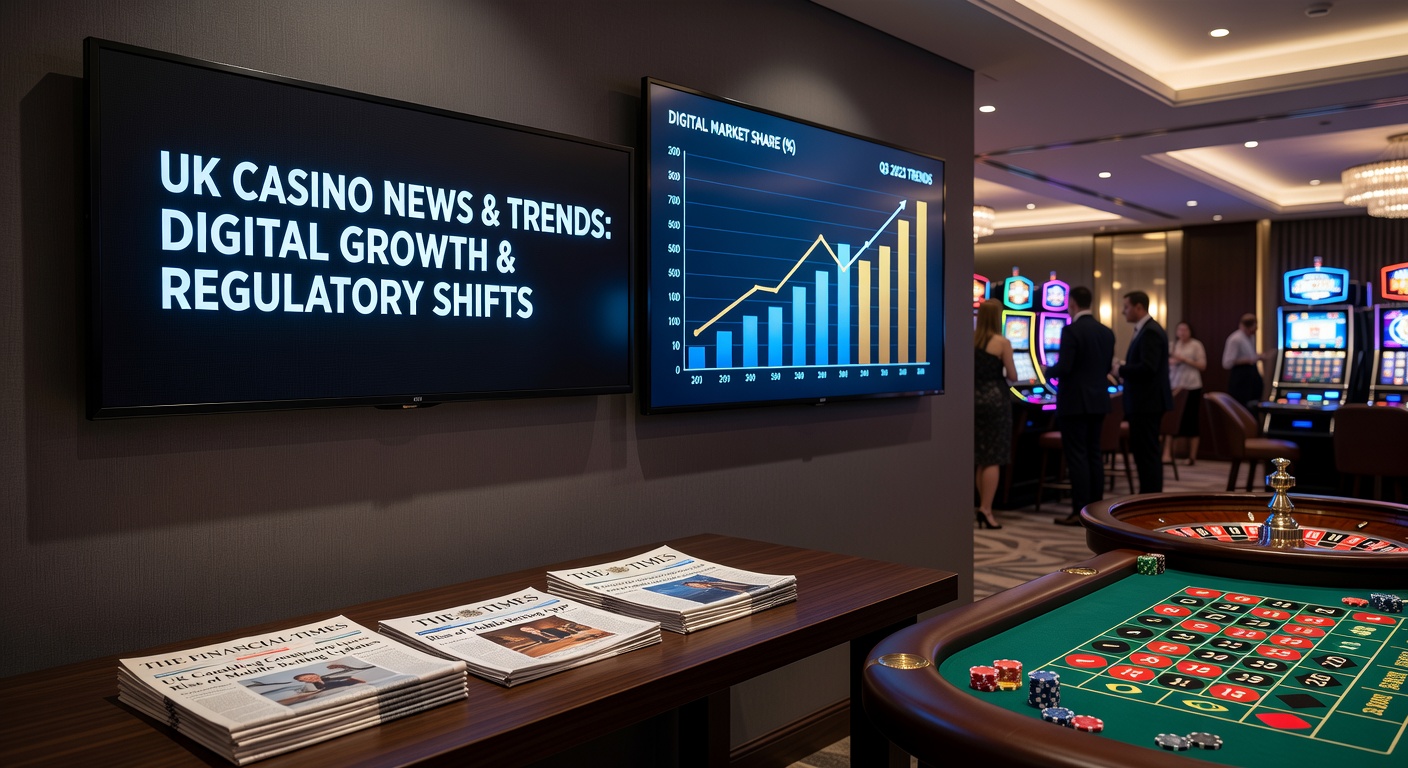
The Latest Regulatory Shift Hits UK Casinos
Operators of land-based casinos in the UK now face fresh obligations under an updated regulatory notice from the Gambling Commission, which mandates quick notifications whenever they launch or halt money service businesses like third-party cheque cashing, fund transfers, or foreign currency exchanges; this move, building directly on a February 2026 notice, aims to sharpen oversight in an area where casinos often blur lines between gaming and financial services, and as of March 2026, affected venues must comply or risk enforcement actions.
What's interesting here is how the Commission zeroes in on transparency, requiring casinos to email specifics within just ten days of any change—details such as the casino's full name, its Gambling Commission licence number, and the exact type of service involved—straight to msb@gamblingcommission.gov.uk, so regulators can track these activities in real time without the lag that sometimes plagued earlier monitoring efforts.
And while casinos have offered these conveniences for years—think high-rollers cashing cheques on the spot or tourists swapping pounds for euros amid the slot machine din—this update doesn't ban the practices outright, but it does tie them tightly to broader financial rules, ensuring operators stay legit across multiple watchdogs.
Breaking Down Money Service Businesses in Casinos
Money service businesses, or MSBs, cover a range of non-gaming financial dealings that casinos might provide, from cashing personal or traveller's cheques through third parties to wiring money domestically or abroad, and even exchanging foreign currencies right on the premises; observers note that these services popped up decades ago to cater to international gamblers who arrive flush with unfamiliar bills, but they've drawn scrutiny because they can serve as gateways for illicit funds if not properly vetted.
Take one prominent London casino, where experts have observed patrons routinely using on-site exchange desks during peak weekends; under the new rules, if that venue tweaks its offerings—say, pausing cheque cashing during a refurbishment—it triggers the ten-day notification clock, complete with licence details for swift Commission verification.
But here's the thing: not every casino dabbles in this; data from prior Commission surveys indicates only a subset of larger, urban operators engage in MSBs, often partnering with licensed third-party providers to handle the transactions, which keeps the core gaming focus intact while adding revenue streams from fees.
FCA Authorisation: The Financial Layer Casinos Can't Ignore
Casinos dipping into MSBs must also hold proper authorisation or registration with the Financial Conduct Authority under the Payment Services Regulations 2017, a requirement that underscores how these activities fall under money laundering prevention frameworks; for instance, cheque cashing demands safeguards against fraud, while transfers and exchanges require robust anti-money laundering checks, and without FCA blessing, a casino risks dual penalties from gambling and financial regulators alike.
Those who've navigated similar rules point out that the 2017 regulations already classified many MSB operations as "payment services," mandating licences for entities handling client funds beyond basic acceptance; casinos, then, step into this arena voluntarily, but now with the Gambling Commission's spotlight ensuring they don't operate in silos—notification serves as a bridge, alerting authorities to new players in the financial ecosystem.
Turns out, compliance isn't rocket science for prepared operators; they simply cross-reference their FCA status during setup, document partnerships with authorised third parties (like specialist cashiers), and fire off the email when services shift, but lapses could invite audits, fines, or worse, licence reviews that hit the bottom line hard.
Notification Process: Step-by-Step for Operators
The mechanics boil down to a straightforward email protocol: within ten working days of initiating or ceasing an MSB, casinos dispatch details to msb@gamblingcommission.gov.uk, listing the venue's name, Gambling Commission operating licence number (that unique identifier tied to each site), and a clear description of the service—whether it's cheque cashing via a partner firm, international wire transfers, or currency swaps for high-stakes tables.
So, picture a Midlands casino deciding to add forex services in March 2026 to attract European visitors; staff compile the info, hit send, and loop in their FCA records for good measure, creating a paper trail that satisfies both bodies; conversely, if economic pressures force a pause on transfers, the same quick report flags the change, preventing any regulatory blind spots.
Experts who've pored over the notice highlight its brevity—barely a page long—yet packed with precision, as it specifies "third-party" involvement to distinguish casino-led services from incidental ones, and while no templates exist yet, sample emails circulating among operators include subject lines like "MSB Notification: [Casino Name] Starting Cheque Cashing."
Building on February's Foundation
This update doesn't emerge from nowhere; it refines a February 2026 notice that first flagged MSB risks in casinos, urging voluntary disclosures amid rising concerns over financial crime infiltration; back then, the Commission gathered initial data on prevalence—revealing dozens of venues quietly offering these extras—and now, with sharper teeth, the ten-day rule enforces what was once advisory, adapting to feedback from industry consultations where operators sought clearer timelines.
What's significant is the evolution: early warnings focused on awareness, but March's tweak adds accountability, ensuring the Commission maintains a live directory of MSB-active casinos, which could inform future inspections or even public guidance for players wary of unregulated cash points.
And although the gaming sector has seen broader reforms—like machine compliance deadlines—this MSB focus zeroes in on a niche but vital corner, where convenience meets compliance, and where one overlooked email could snowball into operational headaches.
Broader Context and Industry Ripple Effects
Land-based casinos, already juggling post-pandemic recoveries and remote gambling surges, now layer in this MSB vigilance; figures from Commission reports show the sector employs thousands, generates billions in taxes, yet faces persistent laundering threats—MSBs amplify those if unchecked, prompting regulators to connect dots between gaming floors and financial flows.
People in the know recall similar pushes in other jurisdictions, like Nevada's stringent currency reporting, but the UK's approach blends Gambling Commission agility with FCA rigour; for smaller casinos eyeing MSBs as profit boosters, the hurdles—FCA applications take months, notifications add admin—might deter entry, consolidating services among bigger players with compliance teams.
Yet, on-site benefits persist: instant cheque cashing keeps gamblers in seats longer, forex eases international play, and transfers streamline winnings home; notifications merely formalise what savvy operators already track internally, turning potential pitfalls into routine checklists.
Conclusion
The Gambling Commission's updated MSB notice marks a precise escalation in casino oversight, demanding ten-day notifications for service starts or stops alongside FCA adherence, and while it builds seamlessly on February 2026 groundwork, it equips regulators with tools to monitor financial sidelines in gaming hubs; operators who act swiftly—emailing details to msb@gamblingcommission.gov.uk with licence info and service specs—stay ahead, as this framework not only curbs risks but fosters a cleaner landscape for all involved, from high-rollers to watchdogs, ensuring UK casinos balance thrills with transparency in an ever-watchful era.