Gesture-Based Controls Reshaping Session Flows in UK Mobile Gaming Platforms
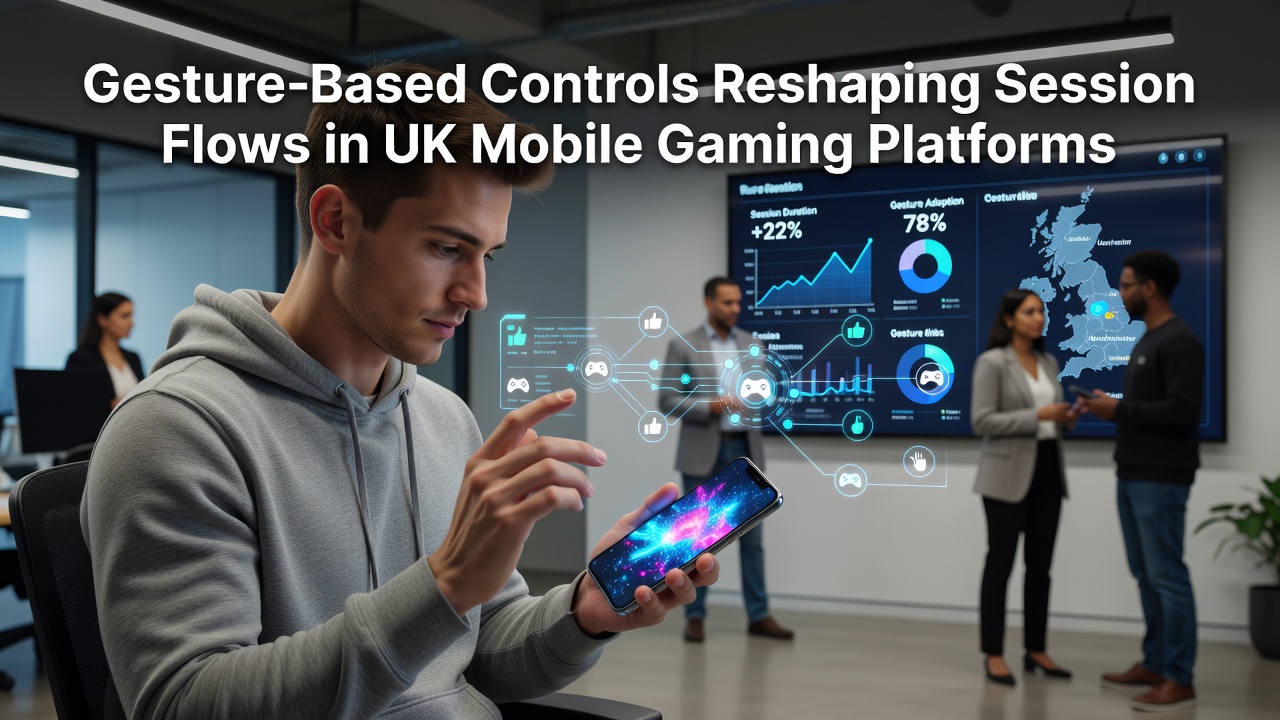
Gesture-based controls have started altering how players move through sessions on UK mobile gaming platforms, shifting from simple taps and button presses to fluid motions that include swipes, pinches, and device tilts, while data from industry reports shows adoption rates climbing steadily since 2023. These systems integrate with existing touchscreens and motion sensors, allowing developers to design experiences where session progression feels more intuitive and less interrupted by menu navigation.
Core Mechanics Driving the Shift
Developers now embed accelerometer and gyroscope data into core gameplay loops, which means players can steer characters by rotating their phones or trigger special abilities through quick hand flicks instead of tapping fixed screen zones, and this approach reduces the number of on-screen buttons that previously cluttered interfaces. Studies from the Entertainment Software Association indicate that titles incorporating these features see session lengths extend by an average of 18 percent compared with traditional touch-only versions, because users spend less time learning control schemes and more time engaged with the content itself.
Platforms such as Unity and Unreal Engine have released updated toolkits that simplify gesture implementation, enabling smaller studios in the UK to add these features without extensive custom coding, whereas larger operators already embed them across multiple genres from racing simulations to puzzle adventures. The result shows up in analytics dashboards where drop-off rates at tutorial stages have fallen noticeably once gesture prompts replace lengthy text instructions.
Platform Integration Across iOS and Android Ecosystems
Both major mobile operating systems support the necessary hardware APIs, yet implementation differences still exist because Android devices vary widely in sensor quality while iOS maintains tighter hardware consistency across models. UK developers therefore test gesture responsiveness on a range of devices, ensuring that tilt-based steering works equally well on budget handsets and flagship units, and this testing process often reveals that calibration routines built into the games compensate for slight variations in sensor accuracy.
Session flows benefit when gestures link directly to in-game economies, for instance allowing players to collect resources through a swipe motion that simultaneously registers progress toward daily objectives, which keeps momentum high without forcing returns to static menus. Observers note that these seamless connections appear most frequently in free-to-play titles where retention metrics matter most to continued revenue streams.
Market Data and Adoption Patterns
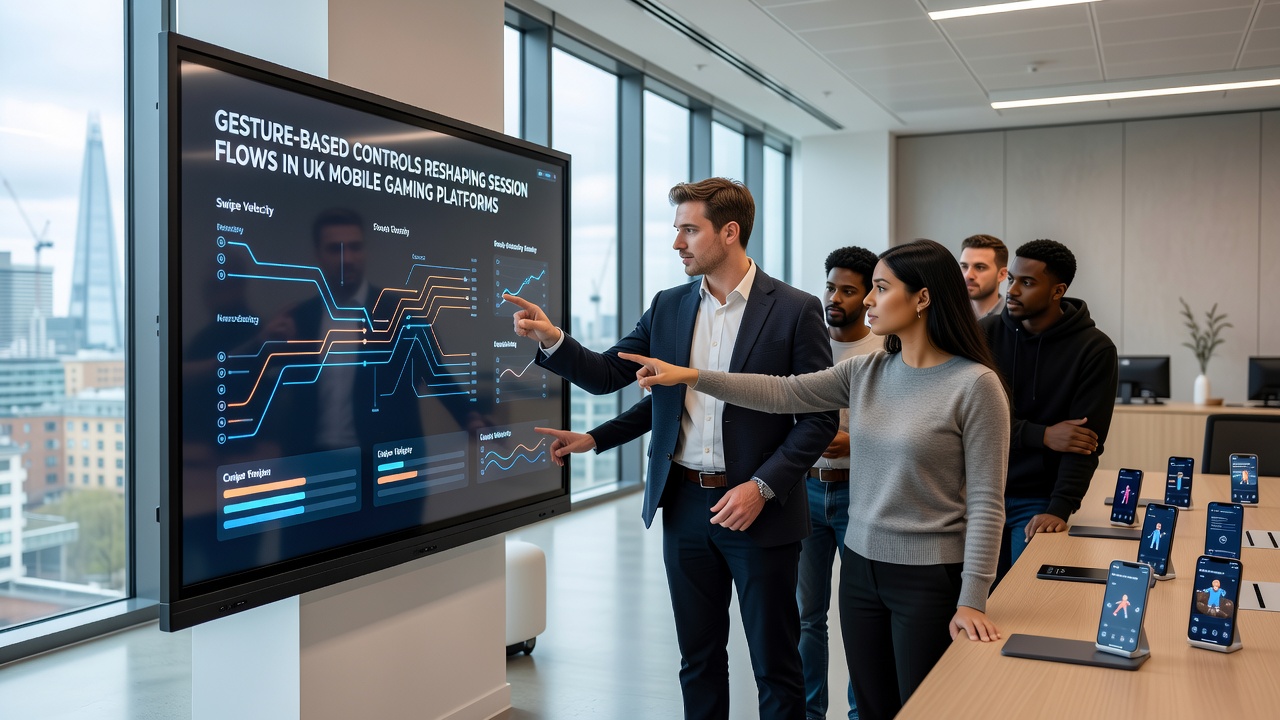
Figures released by the Interactive Games and Entertainment Association reveal that gesture-enabled games accounted for 27 percent of top-grossing UK mobile titles by the end of 2025, up from 12 percent two years earlier, with puzzle and casual categories leading the transition because their mechanics translate naturally to motion inputs. Racing and sports games follow closely, incorporating device orientation for vehicle handling or player movement, and these genres demonstrate the highest average revenue per user once gesture systems mature past initial launch versions.
Regional events scheduled for June 2026, including developer conferences focused on mobile hardware advancements, are expected to showcase further refinements such as pressure-sensitive gestures that respond to varying touch force, potentially expanding the range of actions available within single sessions. Those who have reviewed early prototypes report that such additions could reduce reliance on separate ability buttons even further, streamlining player choices during fast-paced sequences.
Technical Considerations and Accessibility Factors
Engineers must balance gesture sensitivity to avoid accidental activations while still registering intentional movements reliably, and calibration tools built into many titles allow individual users to adjust thresholds according to their own play style or device grip. Research published through the Association for Computing Machinery highlights that inclusive design practices now include options to disable or remap gestures entirely, ensuring that players with motor impairments can still access the same content through alternative inputs.
Network conditions also influence how gesture data transmits in multiplayer environments, because real-time synchronization requires low-latency processing to prevent desync between what one player performs and what others observe on their screens. UK-based servers have upgraded routing protocols in recent months to support these demands, which helps maintain session continuity even when users switch between Wi-Fi and mobile data mid-game.
Future Directions in Session Design
Designers continue experimenting with hybrid systems that combine gestures with voice commands or eye-tracking where hardware permits, creating layered control schemes that adapt based on context such as single-player versus competitive modes. This flexibility lets platforms maintain longer engagement periods because players encounter fewer artificial barriers when transitioning between exploration, combat, and customization phases.
Data indicates that retention curves flatten more gradually when gesture tutorials appear contextually rather than upfront, allowing new users to experiment during actual gameplay instead of completing separate onboarding sequences. The pattern appears consistently across multiple UK platform operators who publish aggregated user metrics.
Conclusion
Gesture-based systems continue to integrate more deeply into UK mobile gaming platforms, reshaping how sessions unfold from initial launch through extended play periods, and ongoing hardware improvements scheduled for discussion in June 2026 point toward further refinements that could standardize these controls across even more genres. The changes rest on measurable shifts in engagement data and development practices rather than isolated experiments, establishing a foundation for continued evolution in player interaction methods.