Biometric Breakthroughs Enhancing Access and Verification in Britain's Premier Gambling Applications
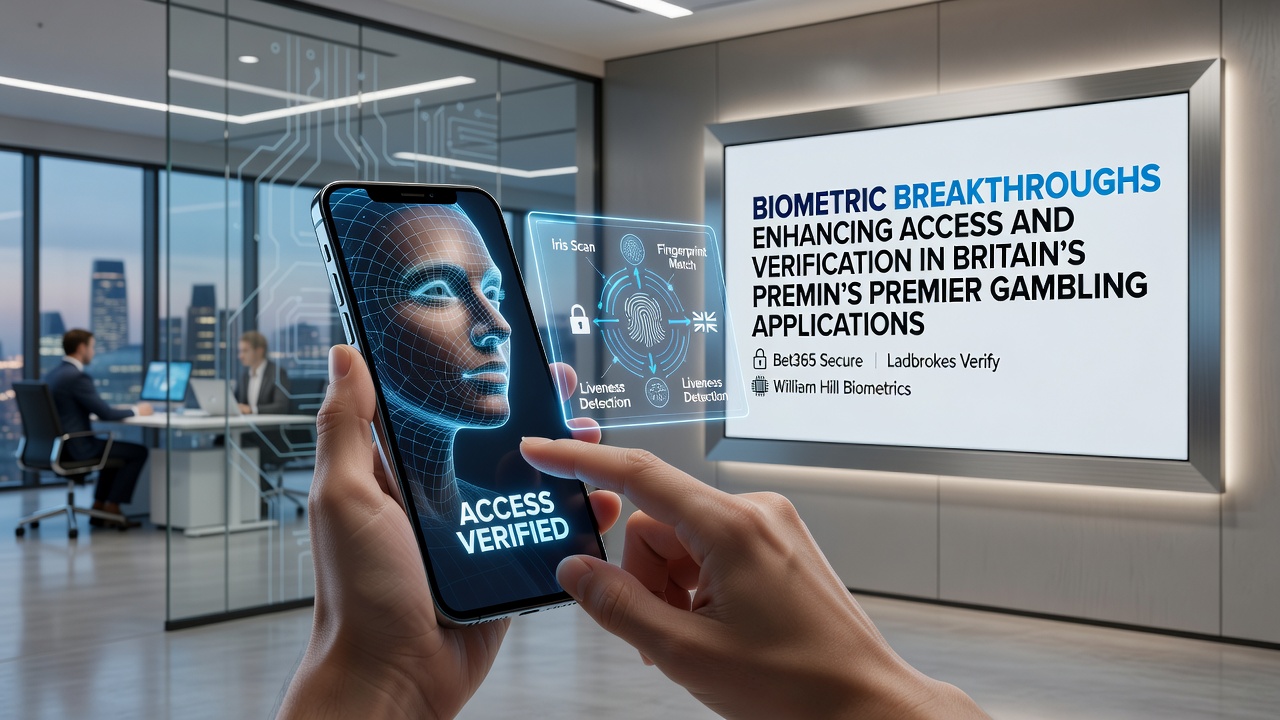
British gambling applications have integrated biometric technologies at a rapid pace, and operators now rely on fingerprint recognition, facial analysis, and voice patterns to streamline both initial access and ongoing verification processes. These systems replace traditional password entry in many cases while meeting stricter identity confirmation requirements that regulators across multiple jurisdictions have established. Data from industry reports indicates that mobile platforms handling remote play have seen verification completion times drop significantly once biometric prompts replace manual document uploads.
Core Technologies Driving Current Implementations
Fingerprint sensors embedded in most modern smartphones serve as the primary entry point for many applications, and developers have calibrated these scanners to achieve low false-accept rates that align with financial services standards. Facial recognition follows closely behind because it requires no additional hardware beyond the front-facing camera, and algorithms now account for lighting variations, aging effects, and minor appearance changes that previously caused rejections. Voice biometrics appear in a smaller subset of platforms where users prefer audio-based confirmation during high-value transactions or account recovery sequences.
Studies conducted by research institutions such as those affiliated with NIST biometric programs show that multi-modal combinations, which layer two or more biometric checks, reduce spoofing attempts more effectively than single-method approaches. British operators have begun testing these layered systems in live environments, and early figures reveal fewer account takeover incidents compared with earlier password-only frameworks.
Regulatory Alignment and Upcoming Deadlines
Land-based venues preparing for technology upgrades scheduled around July 2026 have started piloting the same biometric tools already deployed in mobile applications, which creates consistency across both physical and digital channels. Compliance teams cite the need for seamless identity matching between in-person machine play and remote sessions as a key driver behind this convergence. European gaming associations have published guidance documents that encourage standardized biometric data handling, and several UK platforms have referenced these frameworks when updating their internal policies.
Security Enhancements and User Experience Shifts
Observers note that biometric gates limit opportunities for credential sharing because physical traits cannot transfer between users the way passwords or shared devices sometimes do. This change supports broader efforts to prevent underage access and self-exclusion breaches without requiring repeated manual reviews. At the same time, players report fewer interruptions once initial enrollment completes, since subsequent logins happen through a simple scan rather than lengthy form submissions.

One study released by academic researchers at a Canadian university examined transaction speeds before and after biometric rollout in comparable markets, and the results demonstrated average session start times falling by more than half in the months following implementation. Australian regulatory summaries have echoed similar patterns, noting that platforms using facial verification experienced fewer support tickets related to login failures.
Challenges in Data Handling and Adoption Rates
Despite clear operational gains, biometric systems still encounter edge cases involving temporary physical changes such as injuries or medical treatments that alter fingerprints or facial features. Application developers have responded by offering fallback pathways that route affected users through secondary verification steps rather than blocking access entirely. Privacy frameworks in Britain require explicit consent for biometric data storage, and operators must delete records upon account closure, which adds administrative layers that smaller platforms sometimes find resource-intensive.
Industry organizations tracking adoption trends report that larger British gambling groups reached over 70 percent biometric enrollment among active accounts by late 2025, while mid-tier operators continue expanding their rollout timelines into the following year. These figures come from aggregated platform disclosures rather than centralized mandates.
Future Integration Patterns
Hardware improvements in upcoming smartphone models promise even tighter integration between sensors and application programming interfaces, which could further reduce friction during verification. Researchers continue examining behavioral biometrics such as typing rhythms and device handling patterns as supplementary signals that run quietly in the background. Such additions might eventually allow continuous authentication throughout a session instead of one-time checks at login or withdrawal stages.
Conclusion
Biometric methods have moved from experimental features to standard infrastructure across Britain's leading gambling applications, and the shift has produced measurable improvements in both access speed and identity assurance. As hardware capabilities advance and regulatory expectations evolve ahead of the July 2026 milestones, platforms appear positioned to maintain these verification standards while expanding their reach to new user segments. Continued monitoring by independent research bodies will help track whether these technologies sustain their current performance levels across wider deployment.